The short version: the country feels wound tight at the moment, and you can see it on the roads, in the queues, in the way people snap at nothing. We don’t think most people have become worse. We think a lot of people are carrying more than they can hold, and it leaks out. You cannot fix the news or the price of everything. You can lower your own temperature, and the four things that have helped us most are simple: move your body, get outside, eat real food, and put the phone down. None of it costs anything. All of it is backed by more research than you’d expect.
At a glance
- The mood: nine in ten UK adults report high or extreme stress at some point in a year, and it shows.
- The trigger you can see: road rage, short fuses, people kicking off over nothing.
- The reframe: you never know what someone is carrying, so treat people how you’d want to be treated.
- What’s helped us: daily movement, fresh air, whole foods, less scrolling.
- Who it’s for: anyone who feels the squeeze and wants to feel a bit more like themselves.
You can feel it, can’t you
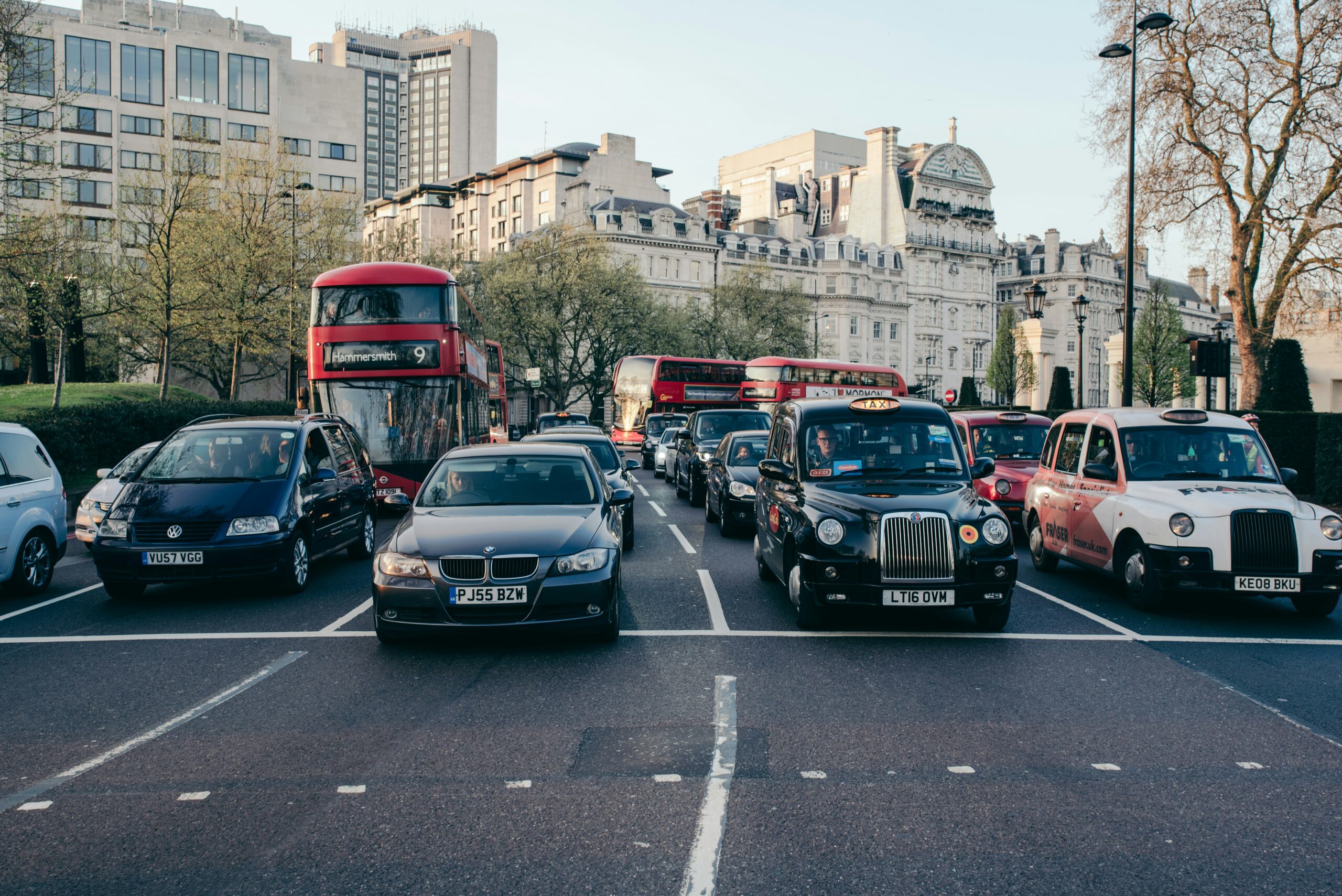
Pull out of a junction a second too slow and someone’s out of their car. Take half a beat too long at the lights and the horn’s already going. We’ve watched grown adults square up over a parking space, over a trolley, over nothing at all. And you find yourself thinking the same thing every time. All this, for what?
It isn’t just you noticing. The numbers behind the feeling are real. Mental Health UK’s most recent Burnout Report found that roughly nine in ten UK adults experienced high or extreme pressure or stress over the past year. The Mental Health Foundation has found that around three quarters of adults have felt so stressed they were overwhelmed or unable to cope. And the thing sitting underneath so much of it is money. Official figures from the Office for National Statistics have the cost of living as the single biggest worry people name about the country, ahead of the NHS and the economy.
So no, we don’t think the nation woke up one day and decided to be horrible. We think an enormous number of people are quietly frightened about bills, stretched at work, sleeping badly, and living with a low hum of dread that never quite switches off. That has to go somewhere. Often it goes sideways, at a stranger, over something tiny.
You genuinely do not know what the person in the next car is carrying. And they don’t know what you’re carrying either.
The one idea worth holding onto
Here’s the thing we keep coming back to. Everyone is fighting something you can’t see. That’s not a nice sentiment on a mug, it’s just true. The person who cut you off might have had the worst phone call of their life an hour ago. The one snapping in the queue might not have slept properly in weeks. You have no idea. So the only sane way to move through a place that feels this tense is to treat people the way you’d want to be treated on your own worst day. Give the space. Let it go. Nine times out of ten it was never that deep to begin with.
That isn’t weakness and it isn’t letting people walk over you. It’s refusing to hand a stranger the power to ruin your afternoon. You can’t control the mood of the country. You can control whether you add to it.
What actually helps, from people trying to do it too
We’ll be straight with you. We’re saying all this while finding it hard ourselves, like most people right now. But over the last stretch we’ve leaned into a few simple habits, and they’ve made a genuine difference to how we feel and how we treat other people. None of it is clever. None of it costs money. It just works, and there’s real science underneath every bit of it.
Move, even a little

This is the one with the most evidence behind it, and it’s almost embarrassing how well it works. A large umbrella review of the research found that physical activity meaningfully reduces symptoms of depression, anxiety and psychological distress across pretty much every group of adults studied, to the point the authors argue it should be a mainstay of managing low mood, not an afterthought. It works partly through the body, dialling down cortisol and the stress response, and partly through the head, giving you something to do with restless, anxious energy other than stew in it.
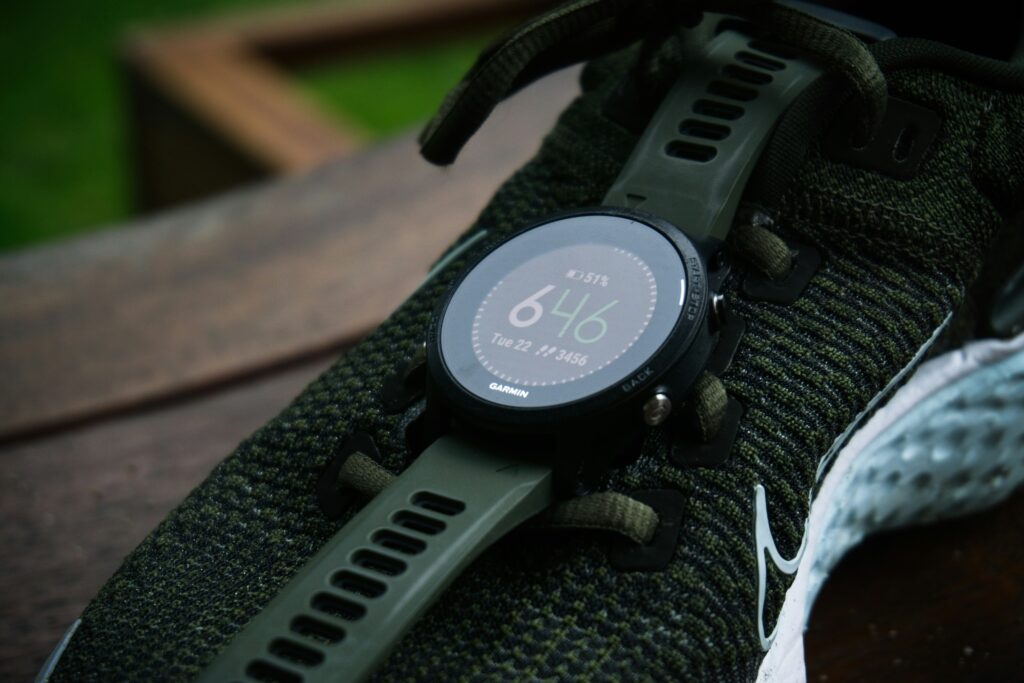
One of us follows a proper training programme and gets steps in daily, and the shift isn’t really about how you look. The calm is the point. You finish a session and the small stuff that would’ve had you gritting your teeth just doesn’t land the same way. It burns off the edge. If a structured programme feels like a lot, ignore it for now and just walk. Walking counts. Walking is enough to start.
Get outside, properly outside
There’s something specific about being out in the fresh air and a bit of green that a room can’t give you. Researchers have landed on a surprisingly clean number for it: spending around 120 minutes a week in nature is linked to better health and wellbeing. That’s roughly twenty minutes a day. A park, a canal path, a scrappy bit of woodland at the end of the road, it all counts. Time outdoors is tied to lower stress, better mood and less of that anxious mental churn, and doing your exercise outside rather than indoors seems to give you a bit extra on top.


When your head’s full and loud, the walk clears it in a way scrolling never will. You come back a slightly better version of yourself. We’ve lost count of the times we’ve gone out wound up and come home genuinely fine.
Eat like it matters, because it does
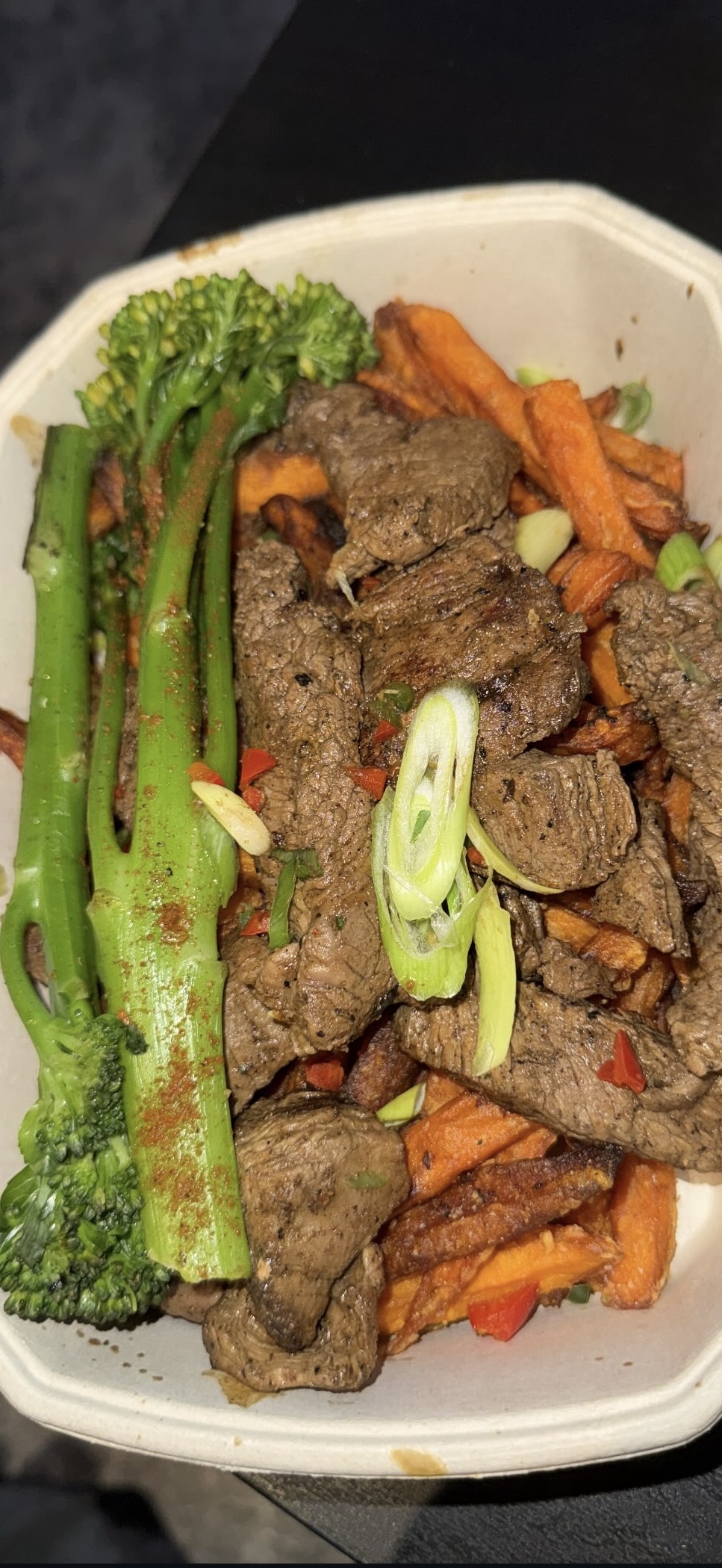
This is the one we’ve felt most personally. For a couple of months now the eating has been simple and clean. Chicken, eggs, lean beef, potatoes and sweet potatoes, and a lot of fruit and veg. Before, it was fine most days, then a tired evening would end in something ordered in for convenience, and the after-feeling was always the same. Heavy, a bit low, a bit off.
Cutting that out has changed more than the waistline. There’s a calm and a steadiness that wasn’t there before. And it turns out that’s not just in our heads. A growing field called nutritional psychiatry keeps finding the same pattern: diets higher in whole foods and lower in ultra-processed stuff are linked to lower rates of depression, and a review pulling together seventeen studies found more ultra-processed food tracking with more anxiety and low mood. Interestingly, the research suggests it works both ways at once: eating more of the good stuff helps, and eating less of the bad stuff helps, and they count separately. So even small swaps are worth it.
We’re not preaching perfection. We still enjoy food, and a treat is a treat. But when most of what you eat is real food your body recognises, your mood has a steadier floor under it. When you feel better in yourself, you’re kinder to everyone around you. It’s all connected.
Put the phone down
Last one, and maybe the hardest. So much of the dread is delivered straight to our hands, all day, on a loop. There’s even a name for it now, doomscrolling, and the research is not kind. Endlessly scrolling bad news is linked to worse mental health and lower life satisfaction, and it feeds the exact anxiety and low mood it pretends to keep you safe from. The feeds are literally built to keep you there, using the same variable-reward trick as a fruit machine.
The good news is that pulling back works fast. Trials have found that limiting social media to around an hour a day for a few weeks measurably cut symptoms of anxiety and depression. You don’t have to throw the phone in a river. Just notice when you’re doomscrolling, and swap ten minutes of it for one of the things above. Go outside. That’s the whole trick.
You can’t control the world’s mood. You can lower your own, and stop being one more angry person in the queue.
Where this leaves us
None of this is a cure for a hard time, and we’d never pretend it is. If things feel genuinely dark and heavy and it won’t lift, that’s not a character flaw, it’s a sign to reach out, to a GP, to someone you trust, to one of the services that exist for exactly this. Asking for help is one of the strongest things a person can do.
But for the ordinary, grinding, everyday stress that so many of us are living with right now, the small stuff genuinely helps. Move a bit. Get some air. Eat real food. Look up from the phone. And when someone kicks off at you over nothing, remember you’ve no idea what they’re carrying, and let it go. It was never that deep. Be the person who breaks the chain instead of passing it on.
FAQ
Why does everyone in the UK seem so stressed and angry lately?
A big part of it is pressure that has nowhere to go. Surveys put UK stress at record levels, with around nine in ten adults reporting high or extreme stress at some point in a year, and the cost of living sitting as the single biggest worry people name. When people are frightened about money, stretched at work and sleeping badly, that tension often comes out sideways at strangers over small things.
Can changing my diet really improve my mood?
The evidence is encouraging. A field called nutritional psychiatry has repeatedly found that diets rich in whole foods and low in ultra-processed foods are linked to lower rates of depression and anxiety. It isn’t a replacement for professional help where that’s needed, but eating more real food and less processed food is a low-risk change that many people find lifts how they feel day to day.
How much exercise do I need to feel the mental benefit?
Less than you’d think. Reviews of the research show clear benefits for mood, anxiety and stress from regular movement, and it doesn’t have to be intense. A daily walk is a genuine starting point. Guidance often points to about 150 minutes of moderate activity a week, but the honest answer is that doing something beats doing nothing, and the first walk is the one that matters.
How do I stop doomscrolling?
Start by noticing you’re doing it, which is half the battle. Then make it slightly harder and swap it for something better: set a timer, mute the accounts that wind you up, and when you catch yourself scrolling bad news, trade ten minutes of it for a walk outside. Trials show that cutting social media to around an hour a day for a few weeks can measurably reduce anxiety and low mood.
Isn’t “just go for a walk” a bit dismissive of real mental health struggles?
It would be if we pitched it as a cure, so we won’t. Serious, persistent low mood deserves real support, and reaching out to a GP or someone you trust is the right move. What we’re talking about here is the ordinary everyday stress most people are carrying right now, and for that, the simple habits genuinely help. The two things aren’t in competition.