Rings, bands, watches, we looked at what actually earns a place on your body every night. One of them quietly won, and it wasn’t the one we expected.
The short version: the best sleep tracker isn’t the one with the cleverest sensor…
The short version: the best sleep tracker isn’t the one with the cleverest sensor. It’s the one you’ll actually wear to bed every single night, and that comes down to battery and comfort more than anything else. If you want the most forensic sleep data and don’t mind a subscription, a ring or a band wins. But for real people who want sleep, steps, workouts and recovery from one device they charge roughly twice a month, our pick is the Garmin Forerunner 255. It’s the one we came back to. The full reasoning, and what everything costs, is below.
At a glance
- Our overall pick: Garmin Forerunner 255, for value, two-week battery and doing everything in one device.
- Best pure sleep accuracy: Oura Ring 4, if a ring and a subscription suit you.
- Best for hard training and recovery: Whoop 5.0, if you live by strain and recovery scores.
- Best budget entry: Fitbit Charge 6, cheap, comfy, does the basics well.
- The thing nobody tells you: a tracker that needs charging every day is a tracker you’ll stop wearing to bed.
The problem with most sleep trackers
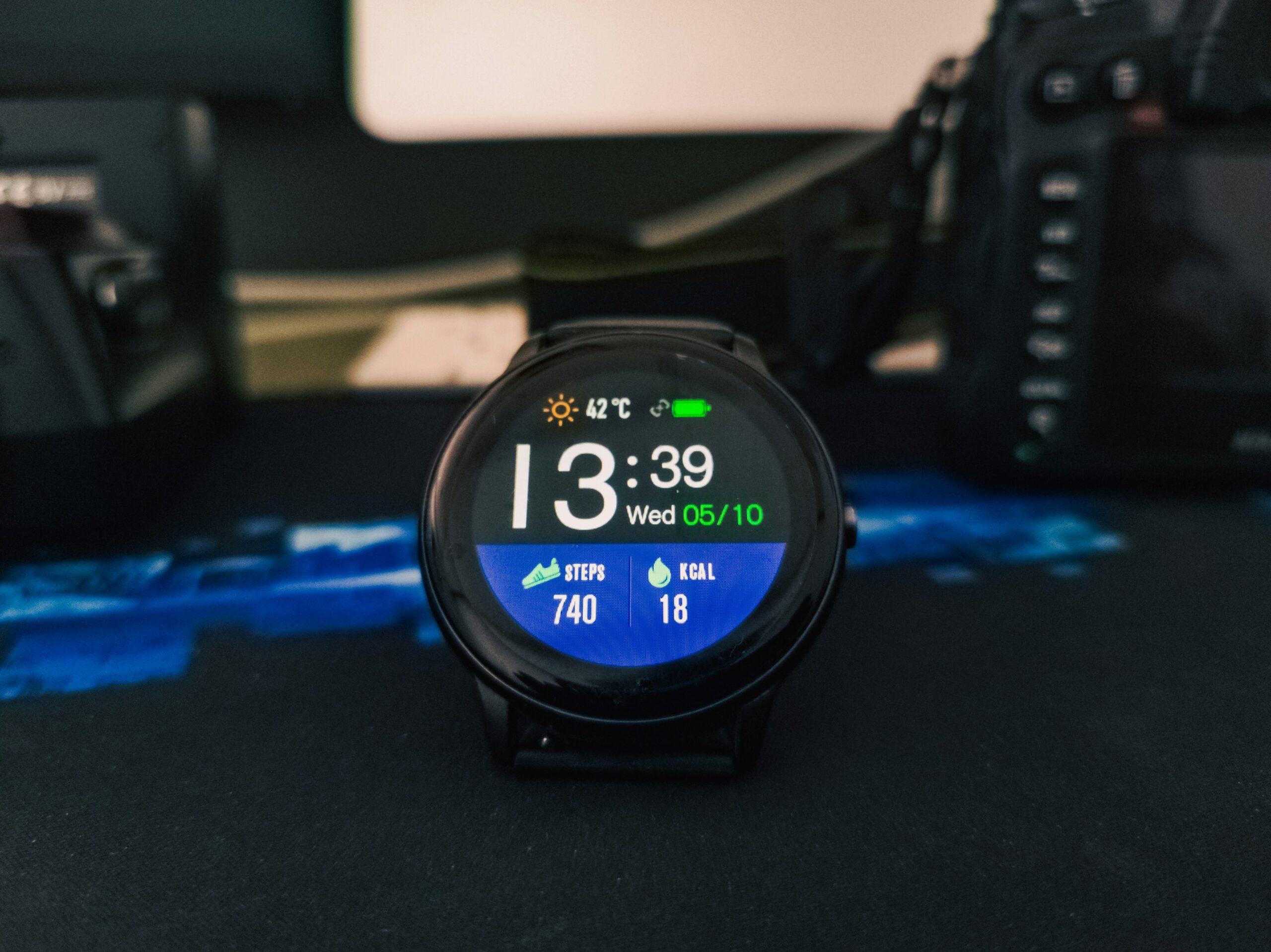
Here’s the trap almost every “best sleep tracker” list walks straight into. They rank these things on sensors and sleep scores and features, and they skip the one detail that decides whether any of it works. You have to wear the thing to bed. Every night. And if your tracker needs charging every single day, when exactly are you doing that? For a lot of people the answer is “while I sleep,” which is the one time it can’t do its actual job.
We know this because we lived it. Before the Garmin, one of us wore a Nike Apple Watch Series 7 for a long stretch. Good watch, genuinely. But it needed charging most days, and the charging slot that made the most sense was bedtime, which meant the sleep tracking kept getting skipped. You’d mean to do it, then not. The best sleep tracker in the world is useless on the nightstand.
That single frustration is what sent us looking properly, and it reshaped how we rank these. Accuracy matters, of course. But accuracy you only capture three nights a week loses to slightly-less-perfect accuracy you capture every night without thinking about it. Consistency wins. Hold that thought, because it’s why our final pick goes the way it does.
How we’re judging them
Four things, in this order. Will you actually wear it every night (battery life and comfort). Is the data good enough to be useful (sleep stages, HRV, resting heart rate, a recovery read). Does it earn its keep in the daytime too (steps, workouts, everyday tracking). And what does it really cost, including the subscriptions some of these quietly rely on. That last one catches people out, so we’ve been plain about it throughout.
The contenders
Garmin Forerunner 255, our overall pick
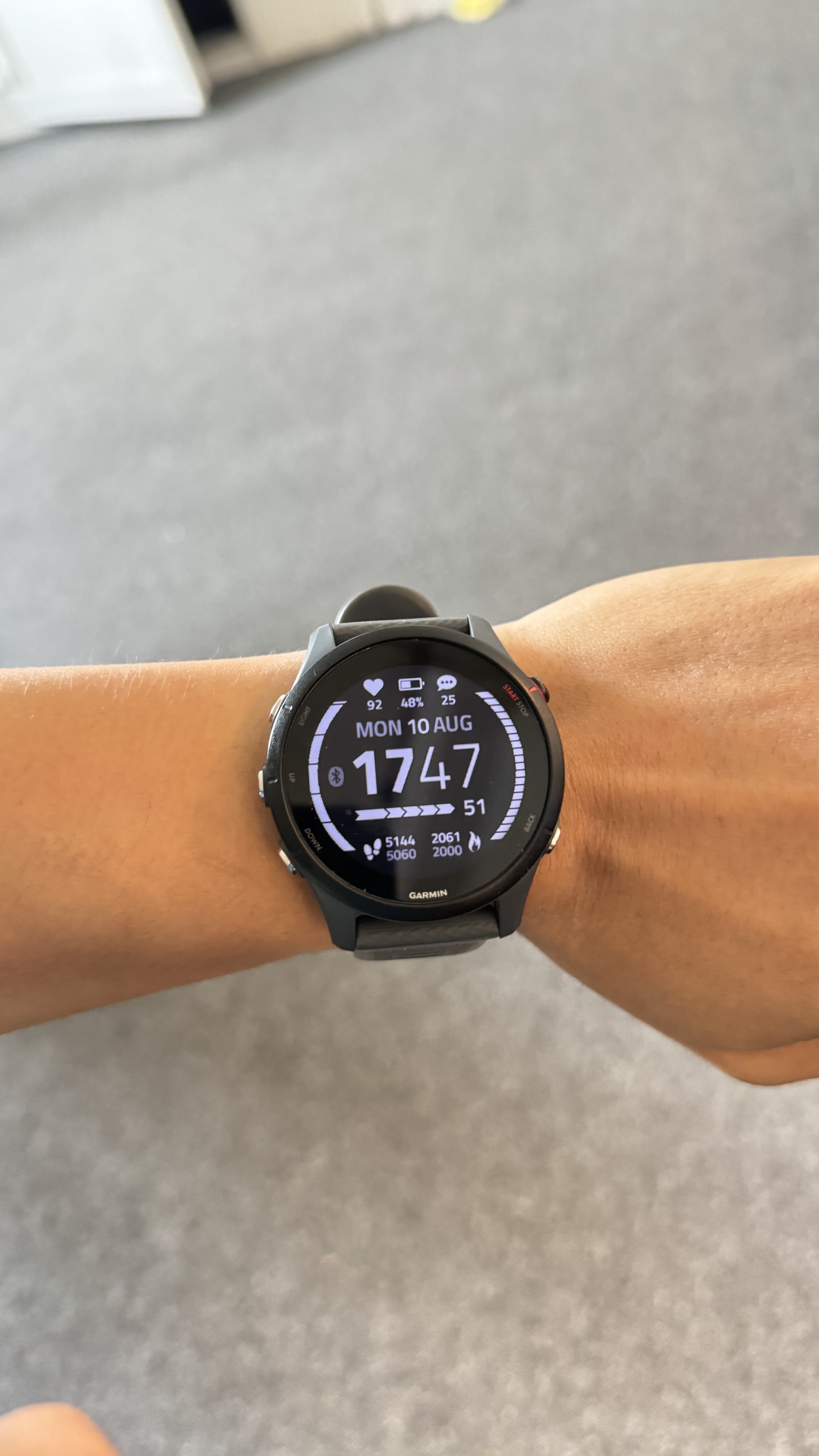
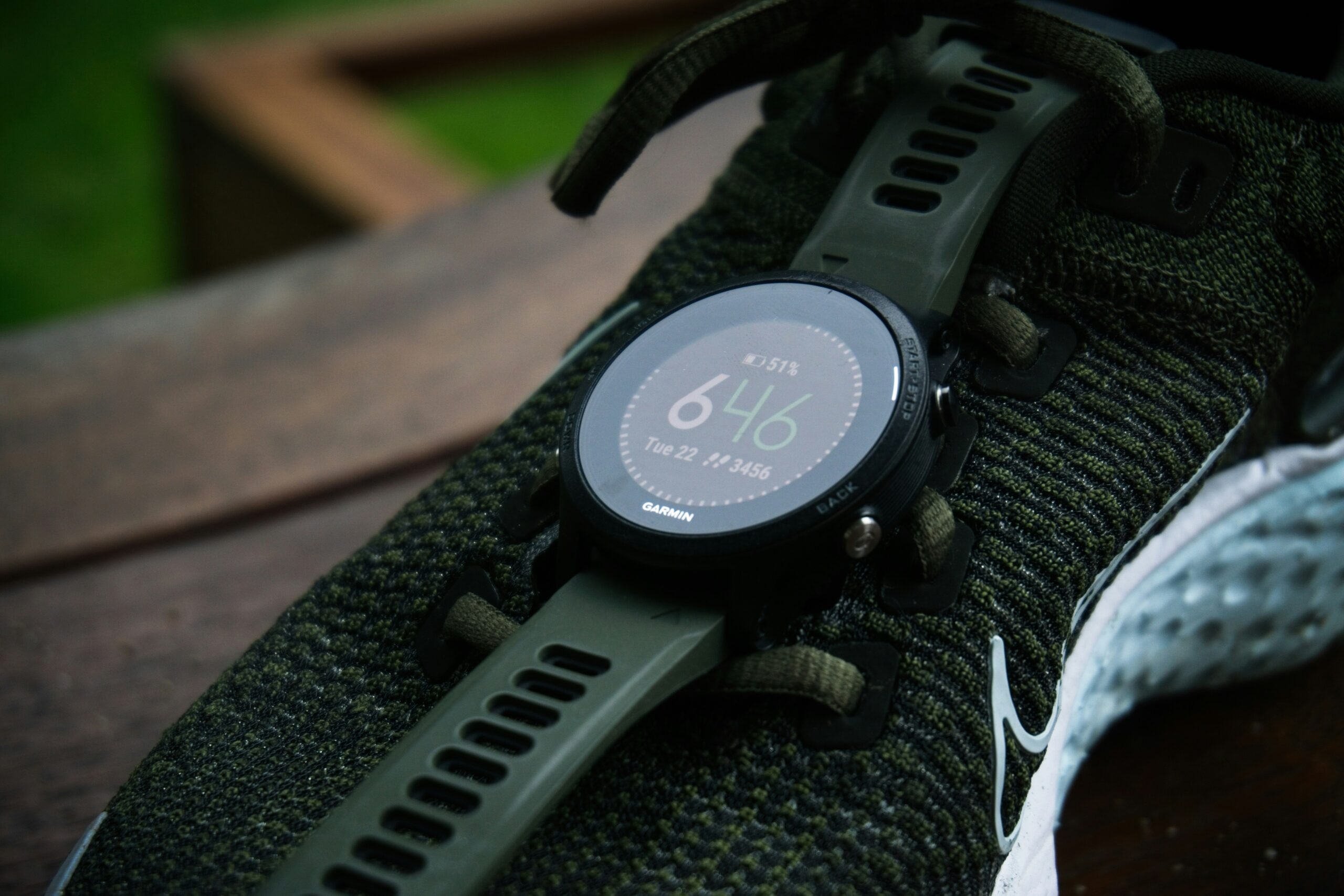
This is the one we kept coming back to, and the reason is boringly practical. It just gets out of the way. Garmin rates the Forerunner 255 at up to 14 days of battery in smartwatch mode, and in normal daily use with nightly sleep tracking that plays out at roughly a fortnight between charges. You genuinely forget it needs charging. Which means you never take it off at bedtime to charge it, which means it tracks every single night. That’s the whole game, and it wins it.
The data you get is more than enough for a normal human who wants to sleep better and train sensibly. You get proper sleep stages (light, deep and REM), an overnight HRV status reading, and Garmin’s Body Battery, which blends your heart rate variability, stress and sleep into a single energy score from 5 to 100. It’s genuinely useful for deciding whether to push a workout or take it easy. Then there’s the Morning Report, a tidy summary of your sleep, recovery and the day ahead waiting for you when you wake up. For tracking workouts it’s a proper running watch under all of this, with accurate GPS and training plans, and the step counting is spot on, you can watch it tick up in real time on a walk.
Now the honest bit, because a review that only gushes isn’t worth reading. It is not a touchscreen. It’s driven by five physical buttons, and if you’ve come from a phone-like watch that takes a day or two to adjust to. But here’s the thing we didn’t expect: we ended up preferring it. Buttons mean you’re not idly poking and swiping at your wrist, which quietly means less screen time and fewer little pulls back into a device you were trying to get away from. A supposed downgrade turned into one of our favourite things about it. It’s also worth saying the sleep-stage accuracy, while good, isn’t quite the class leader (more on who holds that crown in a second). For the money though, nothing else does this much, this reliably.
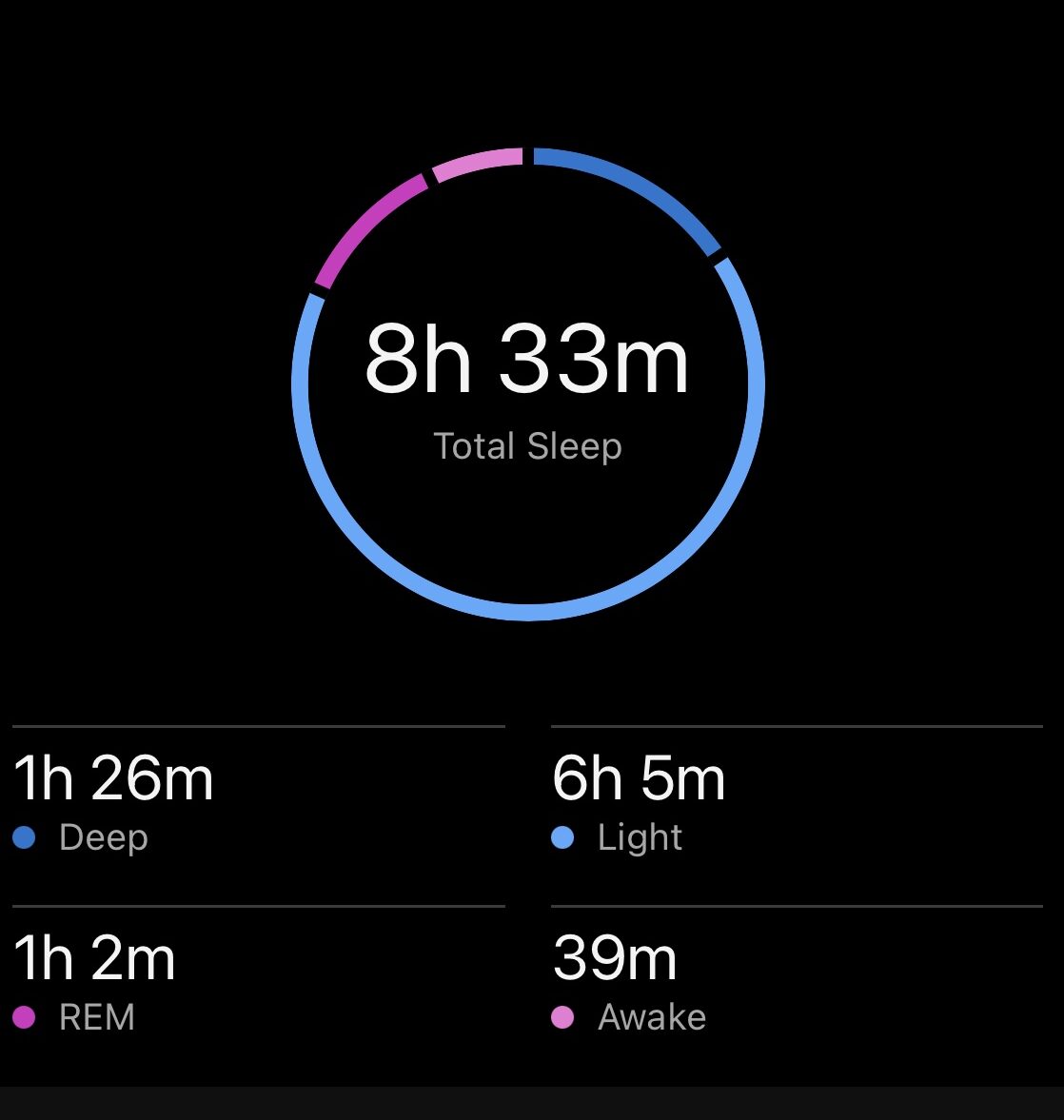
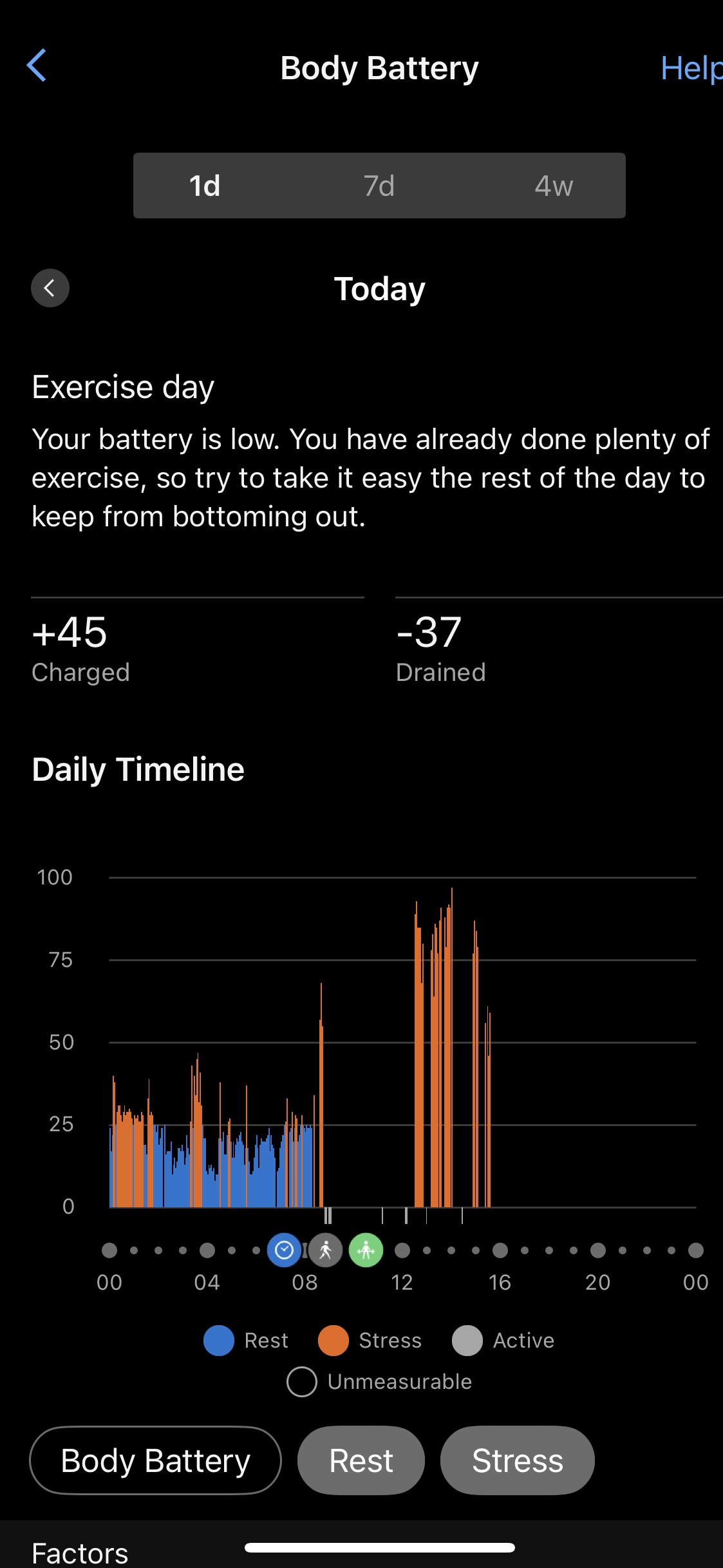
The best tracker is the one you never have to think about. This is that watch.
Oura Ring 4, the accuracy champion
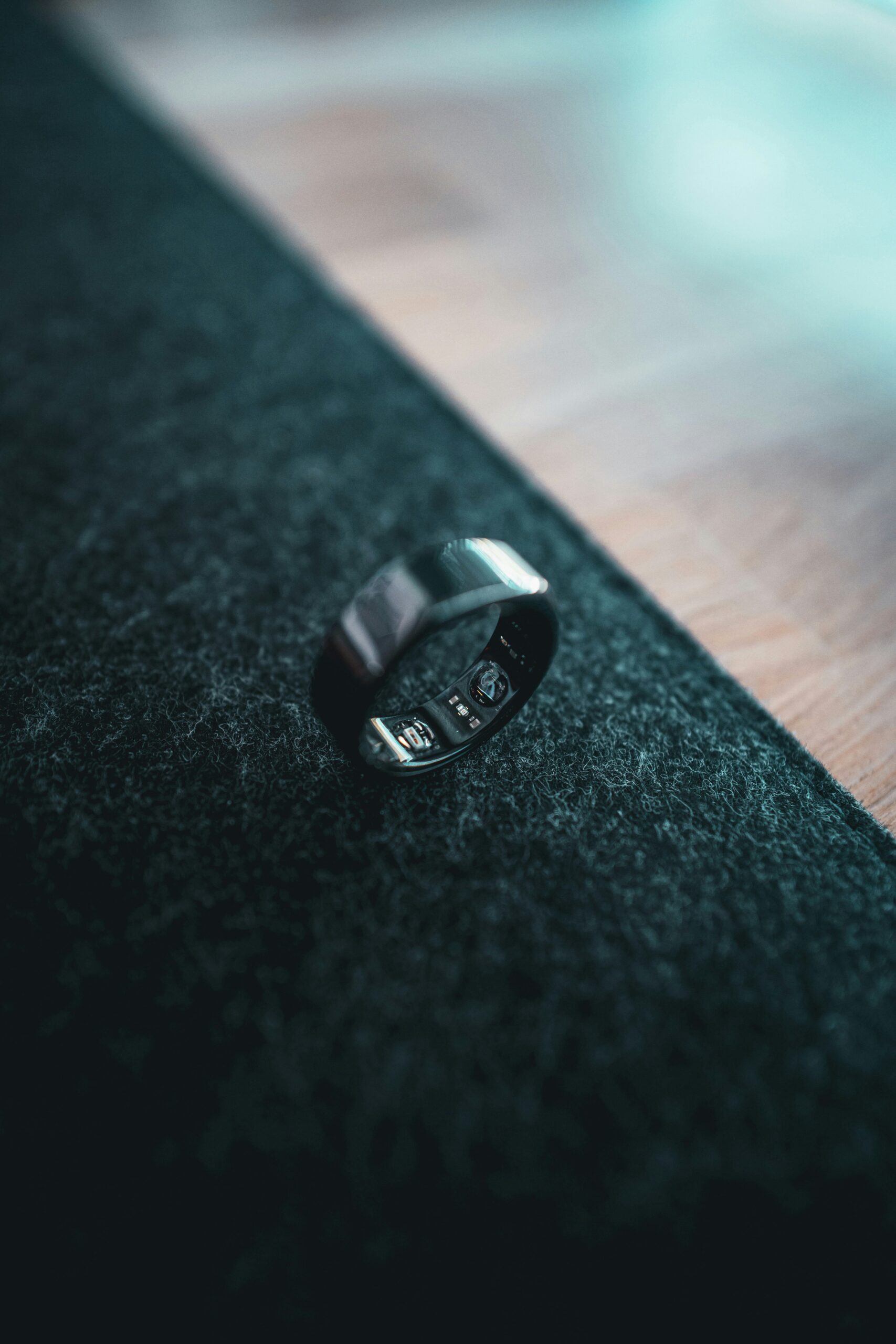
Credit where it’s due. If your single priority is the most accurate sleep and recovery data in the most comfortable package, the Oura Ring 4 is the one to beat, and we’re not going to pretend otherwise. Independent testing has repeatedly found Oura among the strongest consumer devices for sleep-staging accuracy, and a ring is so light you forget you’re wearing it, which solves the “will you wear it every night” test in its own way. Battery is a few days per charge, and crucially you charge it off your finger, so it never clashes with bedtime.
Two catches, and they’re real. First, it’s a ring, so there’s no screen, no live workout feedback, no steps glanced at on your wrist mid-walk. It’s a dedicated wellness tracker, not an all-rounder. Second, the money. The Oura Ring 4 starts around £349 / $349, and after the first year it needs a membership of roughly £5.99 / $5.99 a month to unlock the scores that are the entire point. Without the sub, you’ve bought an expensive step-and-sleep-duration counter. For a dedicated sleep obsessive it’s worth every penny. For someone who also wants one device to run, walk and train with, it’s only half the picture.
Whoop 5.0, for the training-obsessed
Whoop takes the opposite approach to a watch. It’s a screenless band you wear on your wrist (or elsewhere), and its entire personality is strain and recovery. If you train hard four or more days a week and you want a device that nudges you about overreaching and tells you, in blunt terms, whether your body is ready to go again, Whoop is brilliant and a bit addictive. Its recovery-and-sleep tracking is well regarded, and like the ring it charges via a little pack that slides onto the band, so you never take it off, not even to charge.
The model is the sticking point. You can’t just buy a Whoop. It’s subscription-only, and the popular Peak tier runs around £239 / $239 a year, hardware included. Over a couple of years that adds up fast, and if you’re not the type to actually engage with the strain and recovery numbers daily, you’re paying a lot for data you’re ignoring. Fantastic for the committed. Overkill, and pricey, for everyone else.
Fitbit Charge 6, the budget way in
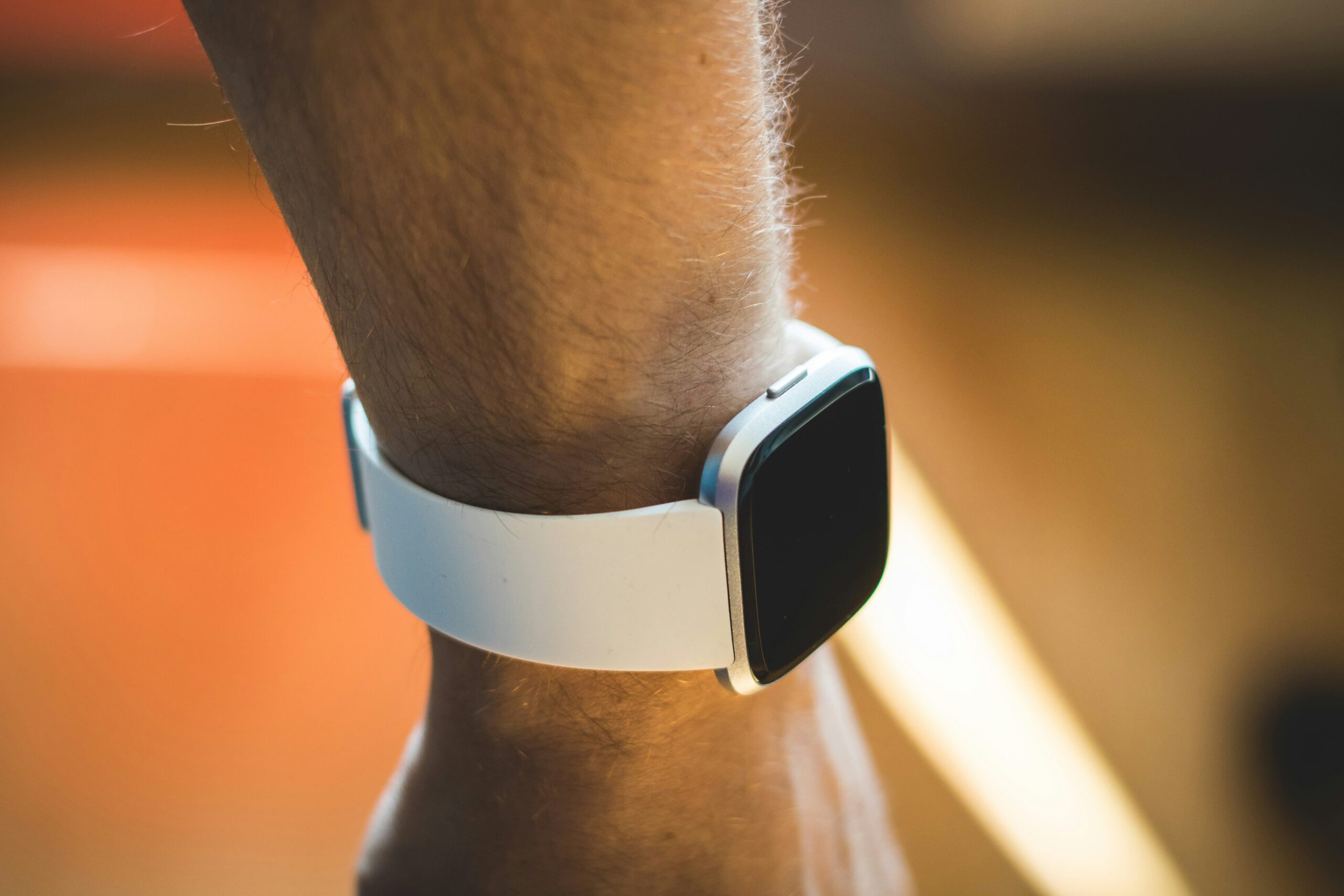
If all of the above feels like a lot of money to spend on finding out you slept badly, the Fitbit Charge 6 is the sensible entry point. It’s a slim, light band that’s comfortable in bed, it covers the sleep basics perfectly well, and it’s the cheapest way into decent tracking, usually around £90 to £100 / $100 to $160. Battery is around a week, so it clears the nightly-wear bar comfortably too.
The trade-offs are what you’d expect at the price. The sleep staging is fine rather than forensic, the deepest insights sit behind a Fitbit Premium subscription, and the long-term direction of the platform under Google is a fair question for something you’ll wear for years. But as a first tracker, or a gift, or a low-stakes way to see whether you even care about this data, it’s a genuinely good shout.
So which should you actually buy?
| Device | Best for | Battery | Ongoing cost |
|---|---|---|---|
| Garmin Forerunner 255 | Value and all-round tracking | Up to ~14 days | None |
| Oura Ring 4 | Most accurate sleep data | Several days | ~£6 / $6 a month |
| Whoop 5.0 | Hard training and recovery | Several days | ~£239 / $239 a year |
| Fitbit Charge 6 | Best on a budget | ~7 days | Optional Premium |
Be honest with yourself about which person you are. If you’re a dedicated sleep-and-recovery nerd who wants the very best data and doesn’t mind a ring and a monthly fee, get the Oura. If you train seriously and think in terms of strain and recovery, the Whoop will speak your language. If you just want to dip a toe in cheaply, the Fitbit’s waiting.
But for most people, and this is genuinely where we landed, you want one device that tracks your sleep, your steps, your workouts and your recovery, that you charge about twice a month and otherwise never think about, and that doesn’t tax you every month to see your own numbers. That’s the Garmin.
The one we’d actually buy, and what it costs
That’s the number that seals it. Somewhere around £250 (and frequently well under £220 when it’s on offer), a one-off, with nothing to pay ever again. Set that beside a ring you pay monthly for or a band you effectively rent by the year, and over two or three years the Garmin isn’t just the practical winner, it’s the cheap one too. It quietly does what all the others do in parts, it lasts a fortnight between charges so it never misses a night, and because it’s buttons not a touchscreen, it pulls you back into your phone less rather than more. For real value and real consistency, it’s our pick, and it’s the one still on our wrist.
A quick, honest word on the scores
One thing worth saying before you buy any of these. Try not to let the numbers own you. A single bad sleep score is not a diagnosis, and staring at a red recovery reading can hand you a worse day than the tired night ever would have. These devices are at their best for spotting trends over weeks, not for judging you one morning at a time. And none of them, Garmin, Oura, Whoop or Fitbit, can diagnose a sleep condition. If you’re regularly exhausted no matter what the app says, that’s a conversation for a GP, not a wearable. Use the data as a gentle nudge, then get on with your day.
FAQ
What is the best smartwatch for tracking sleep?
For most people we’d point to the Garmin Forerunner 255, because its two-week battery means you actually wear it to bed every night, which matters more than any single sensor spec. If you want the most accurate sleep data specifically and don’t mind wearing a ring with a monthly membership, the Oura Ring 4 edges ahead on pure sleep-staging accuracy.
Is the Garmin Forerunner 255 good for sleep tracking?
Yes, for everyday use it’s very good. You get light, deep and REM sleep stages, overnight HRV, a Body Battery energy score and a Morning Report summary. Its sleep-staging accuracy isn’t quite the class leader, but its huge advantage is battery life: because you’re not charging it daily, it captures every night consistently, which is where a lot of trackers fall down.
Do I need to charge a sleep tracker every night?
Ideally not, and this is the crux of it. A tracker that needs daily charging tends to get charged at bedtime, which is exactly when it should be tracking your sleep. Devices with multi-day battery like the Garmin Forerunner 255 (up to about two weeks), the Oura Ring and the Fitbit Charge 6 avoid that clash, so you’re far more likely to get complete, consistent data.
Is the Oura Ring more accurate than a Garmin for sleep?
On pure sleep-staging accuracy, independent testing generally puts the Oura Ring slightly ahead of wrist-based trackers like Garmin. The catch is that Oura is a dedicated wellness ring with no screen, no live workout feedback and a monthly membership, whereas a Garmin watch does sleep, steps, workouts and everyday tracking in one device with no subscription. It comes down to whether you want the best sleep data or the best all-rounder.
Are sleep trackers actually worth it?
They can be, as long as you use them for trends rather than fixating on single nights. Seeing how alcohol, late meals, stress or a late workout affect your sleep over weeks is genuinely useful and can nudge better habits. What they can’t do is diagnose a sleep disorder. If you’re persistently exhausted regardless of what the app shows, see a GP rather than relying on a wearable.